
This is an old revision of the document!
Table of Contents
The Science and Practice of Dishwashing
Dishwashing, also known as dish cleaning or washing dishes, is the process of removing food residue, grease, and dirt from plates, utensils, cookware, and other kitchenware. It is an essential household task performed either manually using hands or through an automated dishwasher. Dishwashing helps maintain hygiene by preventing the buildup of bacteria and foodborne contaminants. Proper dishwashing techniques ensure cleanliness and prolong the life of kitchen items.
1. What you`ll need:
Proper dishwashing involves the use of specialized cleaning agents, such as detergents or soaps, along with mechanical action provided by tools like sponges, brushes, or scrubbers, rather than relying solely on water. These agents and tools effectively break down grease, remove food particles, and eliminate bacteria, ensuring a higher standard of cleanliness and hygiene. The following is a list of essential tools and materials required for optimal dishwashing efficacy:
1.1. Dish soap
Dish soap is a powerful warrior in the fight against stubborn grease and grime commonly found on dishes. It's engineered to combat oils and fats, ensuring that your dishes come out free from any lingering residue that could compromise food safety.(Can you use… n.d.)
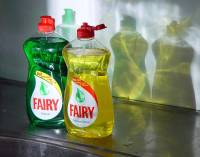 (Ovaska 2004)
Examples of what not to use as a dish soap:
 Hand soap (Liquid Hand, n.d.)
1.2.